


Quick Summary
Yes, you can smoke meat without babysitting it, as long as you set the smoker up properly before you walk away. Load enough charcoal for the full cook, hang the meat with space between pieces, and confirm the temperature before you leave. A barrel smoker holds heat and smoke in one sealed space, which keeps the cook steady for hours.
- Long cooks like pork shoulder and brisket often run 10 to 16 hours at low temperatures.
- Fuel, not the meat, is the real limit, so load enough charcoal for the full cook time.
- A sealed barrel smoker keeps heat and smoke with the meat, unlike a regular grill.
- Adjust intake vents in small steps and wait 15 to 20 minutes before changing again.
- Do not leave a smoker unattended in high wind, heavy rain, or near flammable materials.
Table of Contents
- Can You Smoke Meat Without Babysitting It? A How-To
- How Long Can Meat Smoke Without Attention?
- Choosing a Smoker That Holds Steady Heat
- Setting Up the Smoker Before You Walk Away
- How to Maintain Smoker Temperature Over a Long Cook
- How Often to Check a Smoker and Safety Checklist
- Plan Your Overnight Cook With Your Own Schedule
- Frequently Asked Questions
Can You Smoke Meat Without Babysitting It? A How-To
Last Updated: November 10, 2026
Yes, you can smoke meat without babysitting it, but only if you set the smoker up right before you walk away. Light the charcoal, hang the meat, check the temperature, and let the barrel do the work.
A barrel smoker cuts down on the stress of watching the fire by holding heat and smoke in one sealed space. You still need a plan, and the steps below show how to keep the cook steady for hours.
How Long Can Meat Smoke Without Attention?
Meat can smoke for many hours without hands-on attention when the fire is stable. Long cooks such as pork shoulder and brisket often run 10 to 16 hours at low temperatures.
The real limit is fuel, not the meat. Once the charcoal runs low, the temperature drops and the cook stalls.
- Plan for fuel to last the full cook time.
- Check the thermometer at the start, then at set intervals.
- Stop trusting an unattended cook once temperature starts to drift.
Choosing a Smoker That Holds Steady Heat
Steady heat is what makes an unattended cook possible, keeping the meat on a predictable pace so you are not chasing the fire all night.
Barrel Smokers Compared With Regular Grills
A regular grill is built for quick, high-heat cooking and needs close attention for smoking. A barrel smoker seals in heat and smoke, and the sealed design keeps smoke with the food while you cook.
| Feature | Regular grill | Carnivore barrel smoker |
|---|---|---|
| Heat control | Needs frequent adjustment | Holds steadier heat longer |
| Smoke exposure | Open to air, drifts quickly | Sealed barrel, smoke stays with the meat |
| Attention needed | High for long cooks | Lower once set up |
| Capacity | Limited grate space | Hanging hooks for multiple cuts |
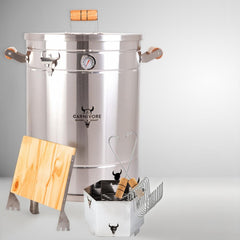
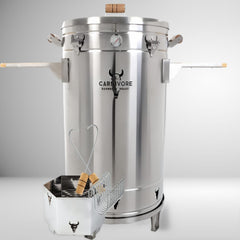
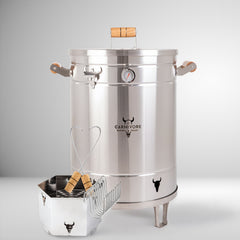
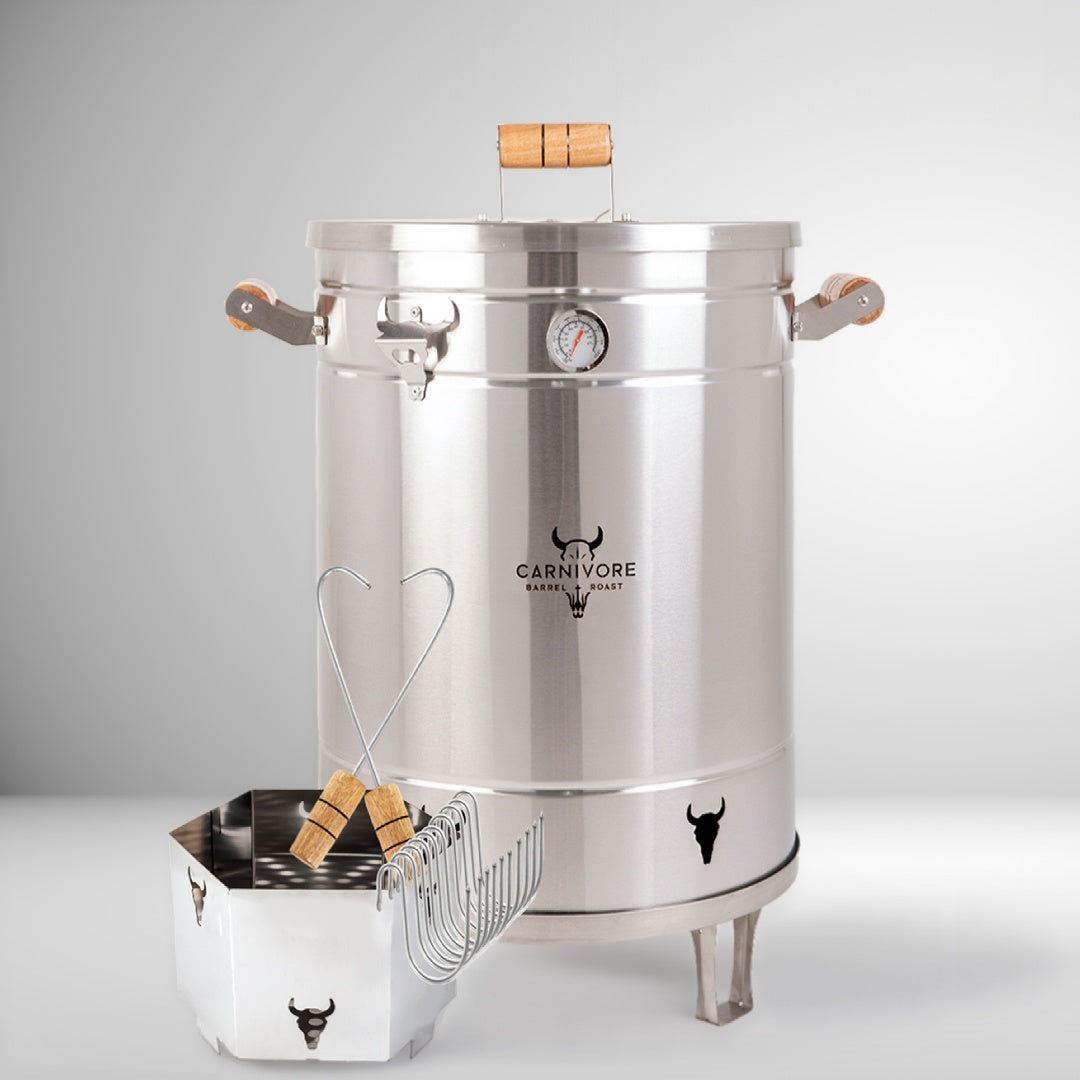
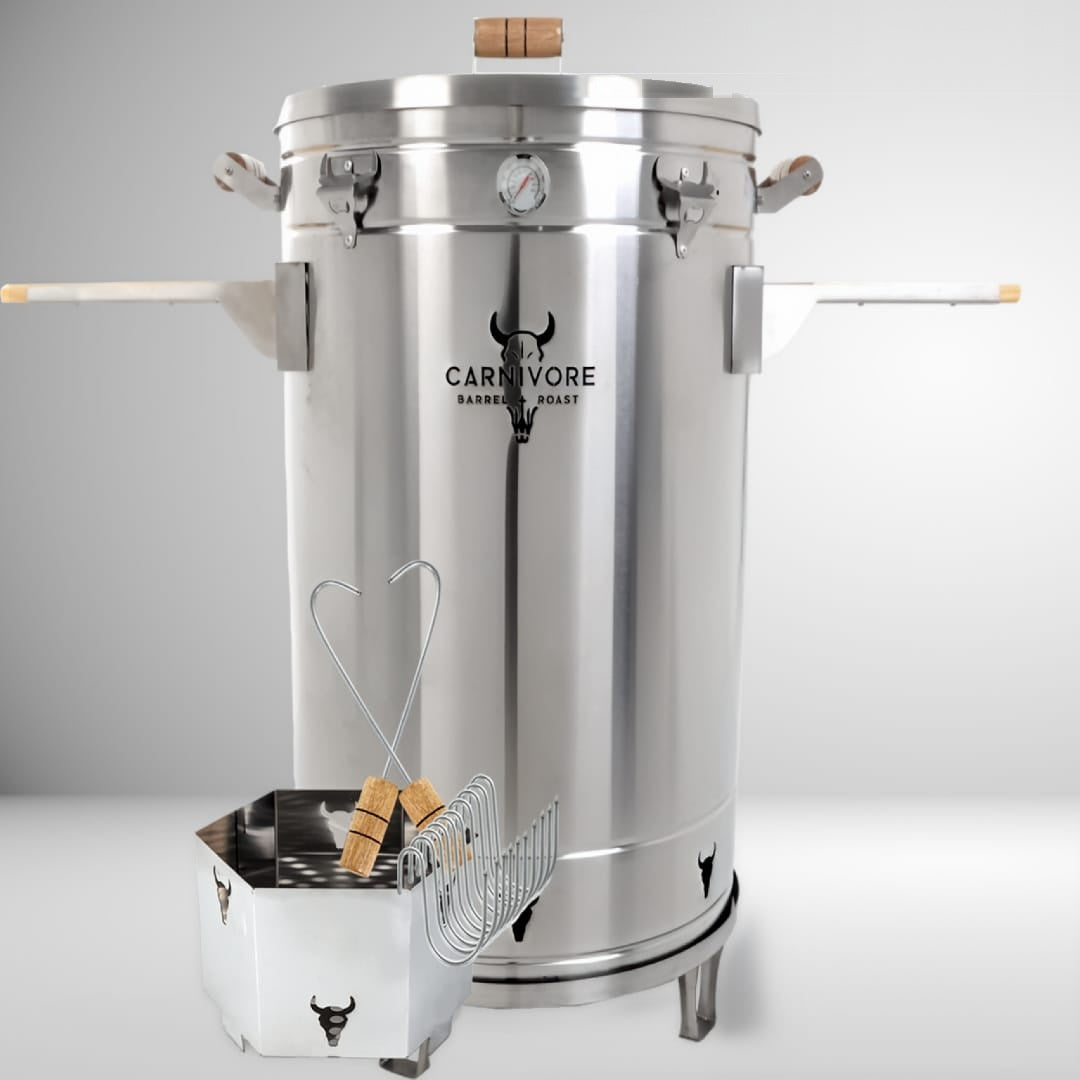
The Carnivore Medium Barrel Smoker holds up to 25 lbs of meat and feeds up to 12 people, and the Carnivore Jumbo Barrel Smoker holds up to 65 lbs and feeds up to 40 people.
Pellet and Gravity-Fed Options
Pellet smokers feed fuel automatically and hold a set temperature through a controller, while gravity-fed smokers slowly feed charcoal from a hopper. You can compare the barrel smoker models side by side to see which size fits your cook. Both reduce how often you need to add fuel.
A barrel smoker runs on charcoal and does not rely on electronics, which appeals to outdoor cooks who want a real charcoal fire.
Setting Up the Smoker Before You Walk Away
Setup decides whether the cook runs smoothly. Take time before you leave the smoker.
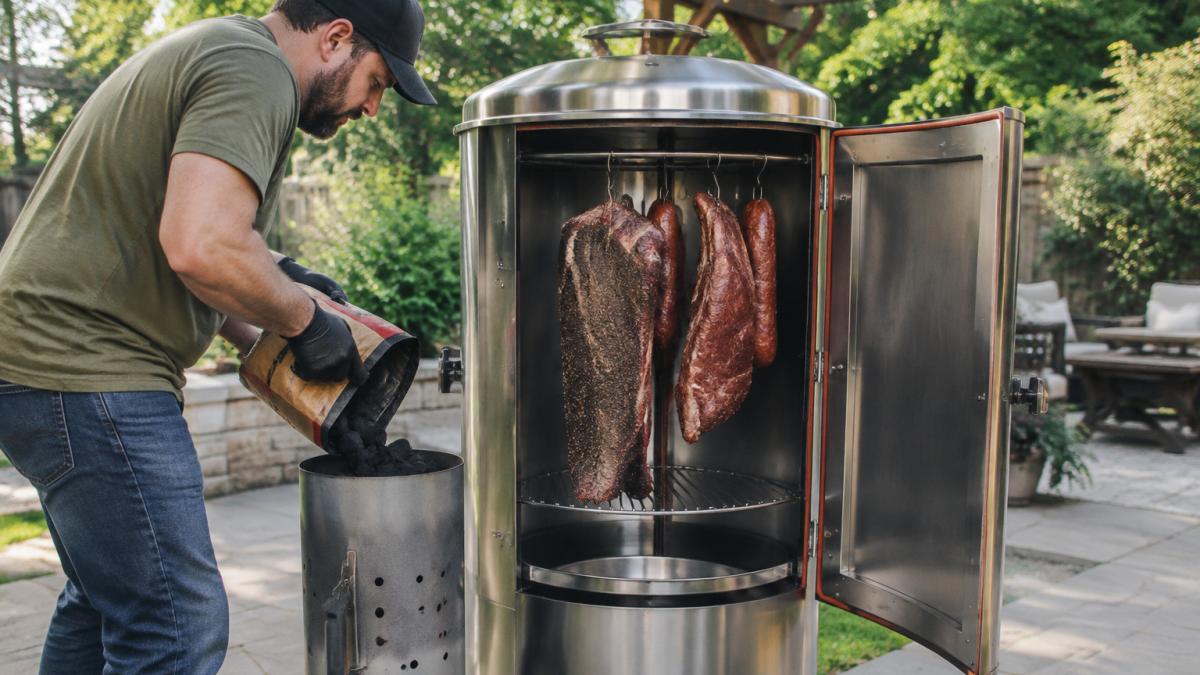
- Load the charcoal basket with enough fuel for the full cook.
- Light the charcoal and let the temperature climb to your target range.
- Hang the meat on the hooks, spaced so air can move between pieces.
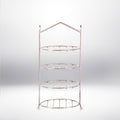
- Place the thermometer where you can read it from the outside. For whole birds, a chicken roasting rack holds them vertically so heat and smoke circulate evenly.
- Close the lid and confirm the vents are set for the temperature you want.
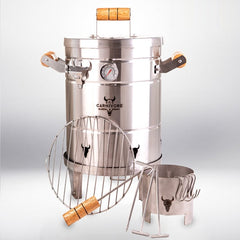
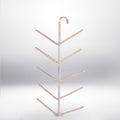
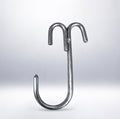
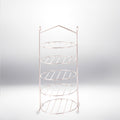
Carnivore barrel smokers include accessories such as a Sausage Rack and hooks for hanging food. You can load sausages and other foods on a heat-resistant rack for even, hands-off smoking. For setup guides and lighting instructions, see Videos, Manuals & Recipes.
How to Maintain Smoker Temperature Over a Long Cook
Temperature control is the core skill for a smoker you leave alone.
Vents control airflow, and airflow controls the fire.
Use this order when the temperature moves out of range:
- Confirm the reading. Check the probe or thermometer against a second reading if you have one. A probe that has slipped off its clip or is sitting against a hook can report a false number.
- Check the fuel. If the temperature has been falling steadily, the charcoal is the most likely cause. Look at the basket and the coals. Thin, gray, or sparse coals mean you need to add fuel now rather than adjust vents.
- Adjust the intake vents in small steps. If the fire is healthy but cooling, open the intake slightly. If it is running hot, close it a little.
- Watch for a flameout. A fire that has gone dark and produces little smoke, with a temperature falling quickly, has usually died. Relight it, bring it back to range, and resume the cook. Do not simply add meat-side heat to compensate.
- Recheck after the change. Give the smoker time to settle before making another adjustment. Overcorrecting is the most common cause of swings that look like equipment failure.
Some failures need a different response. A pellet smoker that stops feeding may have a jammed auger, an empty hopper, or a pellet bridge over the feed tube.
Uncontrolled spikes are usually caused by fully open intakes, a fresh load of charcoal catching at once, or a lid left open during a wind gust.
Watch out: Opening the lid to check the meat lets heat and smoke escape and can drop the temperature for several minutes.
How Often to Check a Smoker and Safety Checklist
You do not need to watch the smoker every minute, but you do need a check schedule and a clear sense of when leaving it alone is unsafe.
A practical check interval for a stable charcoal barrel is every 60 to 90 minutes for temperature and fuel, and sooner during the first hour after loading, when the fire is still settling.
Use this checklist before and during a cook:
- Charcoal or pellets are loaded for the full cook time, with a margin for error.
- The thermometer or probe is working, readable from outside, and reporting a believable number.
- Intake and top vents are set for your target temperature.
- Meat is hung or placed with space between pieces, so air can move.
- Ash is cleared from the bottom so air can flow to the fire.
- The smoker sits on a flat, stable surface, at least several feet from walls, deck railings, siding, and overhanging branches.
- Nothing flammable sits underneath or beside the smoker, including dry leaves, cushions, and grill covers.
- Any extension cord for an electric or pellet unit is rated for outdoor use, is not frayed, and is kept off wet ground.
- A fire extinguisher or a bucket of sand is within reach, and you know how to close the vents to starve the fire.
- You know how to shut the smoker down completely if you need to leave.
Weather changes the risk. Strong wind can pull a fire hot and carry embers, and rain can drop the temperature and soak a pellet hopper or electric connection.
Check the USDA's safe minimum internal temperatures for each meat before you begin, and consult USDA guidance if the temperature stays low for an extended period.
Plan Your Overnight Cook With Your Own Schedule
A good plan turns an unattended cook into a predictable one. Start with the time you want to eat, then work backward.
Estimate the cook time for your cut and weight, then add a buffer. Schedule your fuel checks and temperature checks around your own day, such as before bed, when you wake up, and before you leave for work.
Here is a simple way to build the schedule:
- Pick the meal time you want.
- Subtract the estimated cook time, plus one to two hours of buffer.
- Write down the times you will check temperature and fuel.
- Set a reminder on your phone for each check.
The light-it-and-walk-away approach works best when you have planned for every check and refill. The Carnivore Medium Barrel Smoker, Large Barrel Smoker and Jumbo Barrel Smoker are sized for groups of 12, 25 and 40 people respectively.
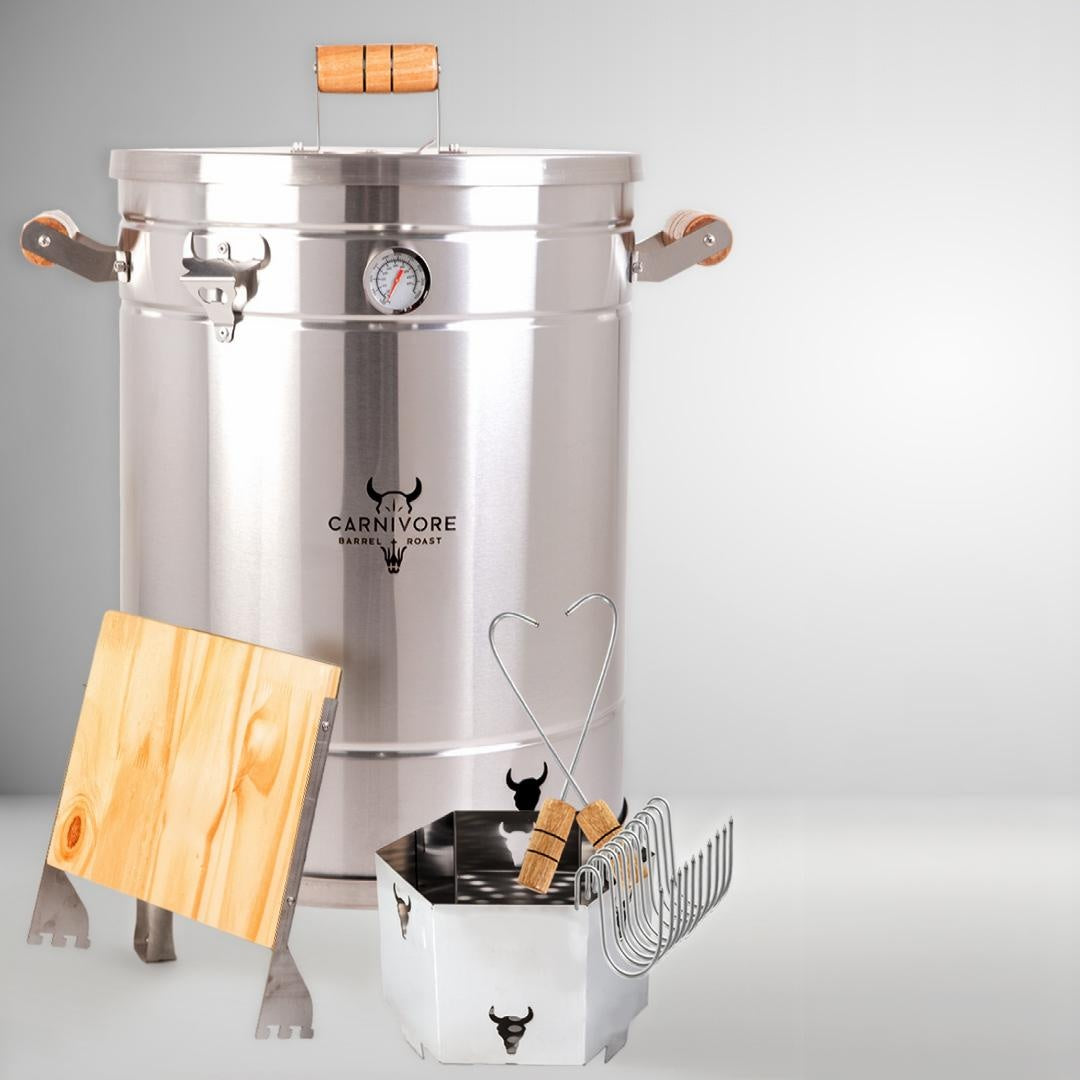
Ready to cook a whole feast with less effort? Carnivore U.S.A barrel smokers hold steady heat, feed up to 40 people, and come with a lifetime rust warranty. Shop smokers and start your next long cook with a plan you can trust.
Frequently Asked Questions
Can I leave a smoker unattended?
Yes, with preparation. A well-set-up smoker with enough charcoal and a stable airflow setting can hold temperature for long stretches. Still, check the fire and fuel at planned intervals, keep the smoker on a stable, level surface away from anything flammable, and never leave a smoker running in rain or high wind without checking on it. Unattended cooking is a planned process, not a set-and-forget one.
How often should you check a smoker during a long cook?
Check the smoker roughly every one to two hours during a long cook, and look at fuel level and internal temperature each time. Early in the cook, temperature often needs adjustment as the charcoal settles. Once the fire is stable, checks can be spaced further apart. A remote temperature probe with an alarm lets you skip most of the in-person checks.
Is it safe to smoke meat overnight?
It can be, when the setup is sound. Use a smoker with stable heat, enough fuel for the full cook, a reliable thermometer, and a clear plan for food safety. Keep the meat at safe temperatures throughout, and use a probe with an alarm so you know if the temperature drifts. If you cannot maintain safe conditions overnight, shorten the cook or stay up to monitor it.
What is the best smoker for low maintenance cooking?
A barrel smoker with a charcoal basket and a built-in thermometer is a practical choice for low-maintenance cooking because it holds heat well and needs fewer adjustments. Carnivore's barrel smokers, which come in Mini, Medium, Large and Jumbo sizes and are made of food-grade 304 stainless steel, fit this use. Choose the size based on how many people you cook for, since a larger barrel holds more fuel and meat.
